Tag: Loyalty Program
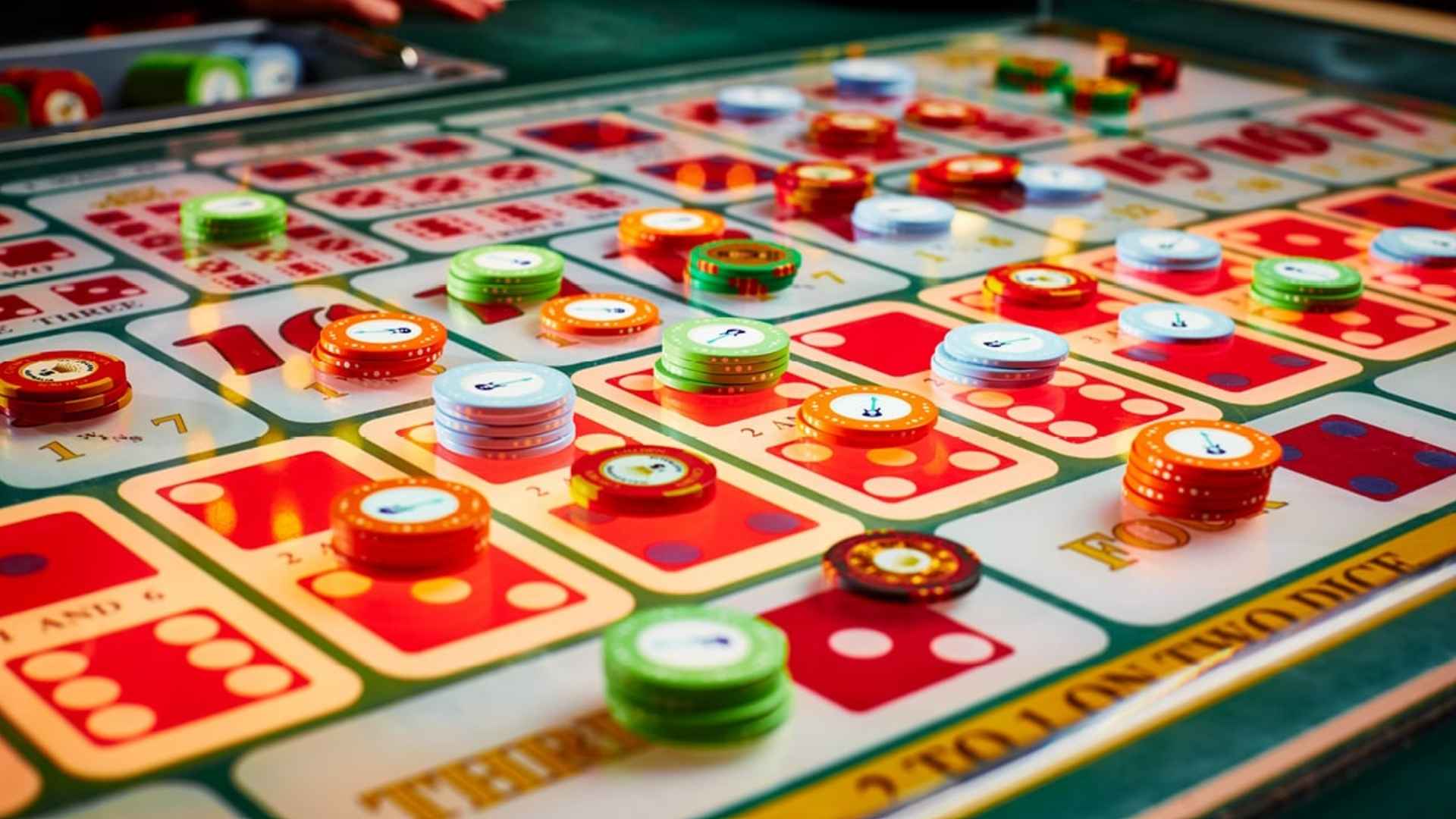
Better Poker Choices Create Better Outcomes
Poker is often misunderstood as a game relying entirely on luck and the randomness of the cards dealt. However, long-term success at the table is driven by a series of deliberate, calculated decisions made under pressure. By refining your decision-making process, you can consistently elevate your win rate and turn difficult sessions into highly profitable encounters.
The Power of Preflop Selection
Developing a strict criteria for the starting cards you play is the first step toward improving your overall results. Many players bleed chips simply because they feel compelled to participate in far too many pots. Cultivating the discipline to fold weak hands early will instantly protect your bankroll from unnecessary danger.
Table position should always dictate how flexible your starting card requirements ought to be. Playing a wide range of hands from early position naturally places you at a severe tactical disadvantage. Observant opponents will quickly notice this predictable behavior and exploit it during later betting rounds.
Mastering Positional Leverage
Acting last in a betting round provides an immense advantage by letting you observe everyone else's actions first. This positional leverage allows you to gather crucial information regarding the strength of your opponents' holdings. Making choices with this data on hand turns chaotic guessing games into highly structured strategic plays.
Consistently playing out of position forces you to make incredibly difficult choices under extreme pressure. By shifting your aggression primarily to situations where you hold the positional advantage, you gain control over the pot size. For players looking to test these strategies in real time, finding a reliable platform via Link M88 can offer an excellent environment to practice.
Managing Emotional Nuances
Maintaining complete mental clarity at the green felt is just as critical as understanding the mathematical odds. Lapses in emotional control often lead to a highly destructive state known among players as tilt. Once frustration replaces objective logic, your decision quality deteriorates rapidly and results in catastrophic financial losses.
Cultivating deep psychological resilience ensures that a sudden bad beat will not ruin hours of disciplined play. Recognizing the early signs of mental fatigue allows you to step away from the table before making costly errors. A steady, analytical mindset remains the ultimate shield against the natural variance of the game.
Evaluating Pot Odds and Risk
Every bet or call you make must be firmly backed by mathematical reasoning and probability calculations. Comparing the current size of the pot against the likelihood of completing your draw ensures long-term profitability. Disregarding these foundational metrics turns a game of high skill into a reckless gamble.
Successful competitors focus entirely on maximizing value when they hold the upper hand while minimizing losses during tough situations. Avoiding passive calling habits with marginal cards will immediately improve your table performance. Consistently making mathematically sound adjustments guarantees that better structural choices will create superior outcomes over time.

Bridge Games That Encourage Tactical Innovation
The traditional mind sport of contract bridge has long been celebrated for its deep reliance on logic, memory, and close partnership cooperation. Modern variants and evolving duplicate structures are pushing players to abandon rigid formulas in favor of fluid strategic planning. By forcing competitors to adapt to highly unpredictable distributions, these modern sessions naturally cultivate advanced problem-solving capabilities at the table.
The Evolution of Modern Bidding Mechanics
Traditional bidding systems often rely heavily on fixed agreements that can limit a partnership's flexibility in complex tournament situations. Contemporary bridge formats encourage pairs to design dynamic defensive signals and customized opening bids to disrupt their opponents' established strategies. This modern shift towards creative communication allows competitive players to explore entirely new tactical dimensions during the initial auction phase.
As partnerships face more aggressive interference from defenders, inventing subtle and fluid conventions becomes vital for securing optimal game contracts. Navigating these highly competitive auctions requires an exceptional blend of analytical deduction, mathematical probability, and psychological awareness. Enthusiasts who wish to test their strategic limits often explore platforms via the Link M88 portal to engage with challenging mind sports that reward intellectual agility.
Deconstructing Card Tracking and Memory Frameworks
Achieving absolute mastery over complex card layouts requires a highly disciplined approach to tracking high-value honors as they are played. Innovative tournament structures strip away the element of pure distribution luck, placing the entire focus on relational inference and strict reasoning. Players must continuously update their mental maps of unseen holdings based on shifting variables and minor defensive indicators.
This constant cognitive calculus provides a profound mental workout that sharpens long-term memory and visual diligence over time. By breaking down complex defensive maneuvers into manageable tactical steps, competitors can systematically eliminate costly calculation errors. Over time, this analytical rigor transforms how individuals process incomplete data in high-pressure environments.
Fostering Adaptability Through Defensive Signals
While establishing a powerful offensive strategy is essential, elite matches are frequently decided by the precision of the defending side. Modern bridge layouts encourage defenders to utilize unique lead combinations and creative discarding methods to neutralize the declarer's control. These sophisticated tactics force the attacking pair to modify their original roadmap and execute risky finesses early in the session.
Developing a flexible defensive framework helps a partnership capitalize on the minor mistakes made by aggressive opponents. Managing entries to the dummy while simultaneously defending tough contracts requires patience, timing, and deep emotional composure. Ultimately, it is this structural unpredictability that ensures the classic sport offers endless replay value for all generations.
The Psychology of Partnership Synergy
Succeeding in high-level duplicate matches involves much more than individual technical acumen or memorizing strict mathematical guidelines. True mastery surfaces when two distinct minds work in absolute synergy, transforming isolated card tactics into a singular, cohesive strategy. Partnerships must establish mutual trust to maintain structural alignment when handling unexpected declarations or defensive challenges.
Learning from failed simulations and structural miscommunications allows pairs to refine their shared tactical vocabulary after every session. This continuous loop of feedback and adjustment fosters a supportive environment that builds long-term competitive confidence. By embracing collaborative problem-solving, enthusiasts can unlock the full intellectual potential of this legendary pastime.
Understanding the Value of Every Mahjong Tile
Mahjong is a captivating game of strategy and probability where every tile in your hand carries a unique tactical value. Rather than viewing the set as simple matching pieces, successful players learn to evaluate each tile based on its flexibility, defensive utility, and potential to form high-scoring combinations. Developing this analytical mindset is the primary step toward consistently reading the table and outsmarting your opponents.
Assessing the Utility of Suited Tiles
The core of any standard mahjong set consists of three numeric suits: dots, bamboo, and characters, which run from numbers one through nine. Mid-number suited tiles, typically ranging from three to seven, are widely considered the most valuable pieces for building fast hands. Because these numbers can easily connect to form consecutive sequences in multiple directions, keeping them early in the game maximizes your overall flexibility.
Conversely, holding too many middle tiles can also expose you to significant risk if your opponents are waiting on those exact same numbers. Balancing the offensive speed of these versatile pieces against the danger of discarding them late in a round is a fundamental skill. Highly efficient players constantly monitor how many of these suited resources have already been discarded to calculate their remaining value.
Evaluating Honor Tiles and Defensive Strength
Honor tiles, which include the winds and the green, red, and white dragons, offer a completely different tactical dynamic compared to numerical suits. While honors cannot be used to form consecutive sequences, completing a triplet of your seat wind or any dragon grants a guaranteed point value. This makes them highly attractive targets for players looking to secure a quick victory with a reliable hand structure.
From a defensive perspective, isolated honor tiles are incredibly valuable because they are generally safer to discard during the tense later stages of a round. Many analytical players keep a close eye on strategic updates and practice resources available at the Link M88 portal to refine their defensive positioning. Understanding when to sacrifice your offensive speed to hold onto these safe honors is often the difference between a minor loss and a devastating defeat.
The Strategic Impact of Terminals and Simple Tiles
Terminal tiles, which represent the ones and nines of each suit, occupy a unique middle ground between standard suited pieces and honor tiles. They have lower sequence potential because they can only connect from one direction, making them less flexible during the opening moves. However, many advanced scoring patterns specifically reward players who successfully build hands containing these challenging boundary pieces.
Simple tiles, which refer to the suit numbers from two through eight, are much easier to assemble into standard groups of three. While they lack the unique scoring multipliers associated with terminals and honors, they form the reliable foundation of most winning hands. Recognizing the structural differences between these classifications allows you to quickly sort your initial hand with genuine confidence.
Shifting Tile Values Throughout the Match
A common mistake among developing players is assuming that a tile's tactical value remains static from the first draw to the final discard. In reality, the worth of every piece on your rack shifts dynamically with every turn taken by everyone at the table. A middle suited tile that was highly valuable in the opening rounds can become a massive defensive liability as your opponents approach completion.
Paying close attention to the discarded pieces in the center pool reveals which suits are currently being ignored or heavily contested. Adjusting your strategy in real-time to focus on uncontested tiles is a powerful way to secure consistent victories. By masterfully reading these shifting values, you transform the game from simple tile matching into a deep battle of calculation.